


 Free shipping
Currency
Menu
- WHOLESALE
- SETS
- Rapé® and Accesories
- SANANGA®
- Ambil and ChilcAmbil®
- CEREMONIAL COCOA
- Matcha, tea and herbs
- Mushrooms, supplements, and extracts
- AROMATHERAPY & FOREST INCENSES™
- ORMUS
- COPPER VESSELS
- TENSOR RINGS & BRACELETS
- Stones and jewelry
- CEREMONIAL INSTRUMENTS
- Home and Body
- Books and ebooks
- GIFT VOUCHER
- FOREST TINCTURE™
- MOLECULAR HYDROGEN INHALATOR
- KANNA
- FOREST GROWKBAGS™
- FOREST LOTTERY™
- ORGONITS & MINERALS
- ORGONITS
- TAROT CARDS
- PERFUMES
- New products
- Products on sale
Special offer

€11.53
Regular price:
€16.47

€11.53
Regular price:
€16.47

€12.52
Regular price:
€17.88

€9.88
Regular price:
€14.12

€12.52
Regular price:
€17.88

€7.76
Regular price:
€10.35

€7.76
Regular price:
€10.35

€7.76
Regular price:
€10.35

€7.76
Regular price:
€10.35

€7.76
Regular price:
€10.35

€7.76
Regular price:
€10.35

€7.76
Regular price:
€10.35
Product of the Day

€10.82

€9.88
Regular price:
€14.12

€0.47
Regular price:
€1.57


€18.82


€51.76

 New products


€10.35

€10.35




€20.94

€13.88
Newsletter
Browsing options
Price
-
from
to
Kuripe and tepi are the traditional tools with which Hapé is offered in the ceremonies of the peoples of the Amazon. The kuripe is V-shaped and is a personal tool, while the tepi is a longer tube for ceremonies with another person.
At Las Szamana you will find kuripe and tepi of bamboo, wood, bone, copper and stone, hand-decorated with beads, feathers and kenê patterns, as well as containers, pouches and cleaners.

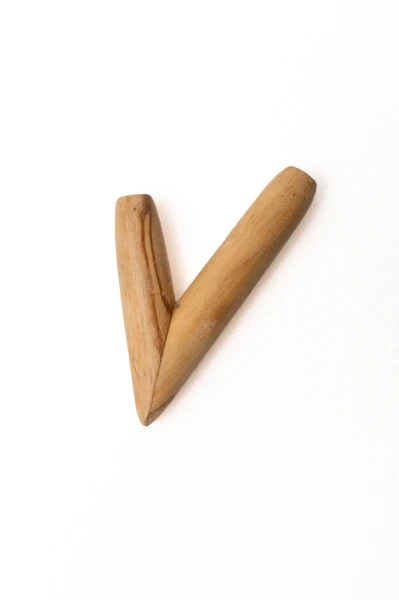


"FEEDING SNAKE" Kuripe Made of Cemara Wood (Vatica cemara)

Availability: out of stock


"FLYING DRAGON" Cemara Wood Kuripe (Vatica cemara)

Handmade "Flying Dragon" kuripe carved from cemara wood (Vatica cemara), size M. A durable, warm-toned traditional self-applicator with a distinctive natural grain.
Availability: out of stock


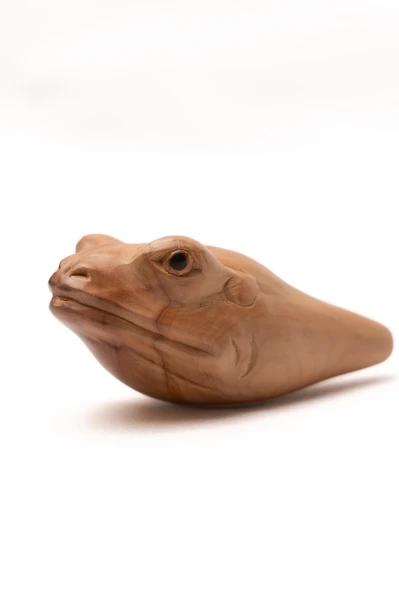


"BAT" Tepi Made of Indian Rosewood (Dalbergia latifolia)

Handmade "BAT" tepi in size M, carved from Indian rosewood (Sono wood, Dalbergia latifolia). A dense, dark, durable hardwood with an elegant grain, shaped into a traditional Amazonian ceremonial applicator.
Availability: Running out
"CONDOR" Serpentine Stone Kuripe

Hand-decorated kuripe made of solid serpentine stone, featuring the condor, an Andean power animal.
Availability: out of stock


Kuripe or tepi?
The kuripe is a tool for one person. In the Yawanawá and Huni Kuin tradition it is often a very personal object, frequently made by its owner or someone close, and it is not lent to casual acquaintances. The tepi requires a second person and accompanies ceremonies in the circle, in which one person offers Hapé to another.
Materials
Traditional kuripe and tepi are made of bamboo, wood and bird bone. Today craftsmen also use copper, brass and precious stones. Every handmade piece has its own character.
A kuripe is chosen for yourself, and a tepi for ceremonies with another person. You can read more in the articles kuripe: how to use it, tepi or kuripe and kuripe: wood and care.
What kuripe and tepi are made of
In the Amazon, Hapé tools are made from what the forest provides: taboca bamboo, bird bones, hardwood and seed shells. They are joined with natural resin or beeswax and decorated with seed beads, feathers, cotton string and painted kenê patterns. Each tool is handmade, so no two are identical.
Kuripe or tepi?
Kuripe is a personal tool. Many traditions say that a kuripe should belong to only one person, because it takes on their energy. Tepi is longer and is used for a ceremony with another person, in which one person gives Hapé to the other. It is a gesture of trust and care, which is why in the Amazon tepi is often given by an elder or by the person leading the ceremony.
Materials in our range
Bamboo is light, warm to the touch and closest to Amazonian tradition. Wood, for example sawo or rosewood, has a beautiful grain and deepens in colour over time. Bone is a traditional material, smooth and durable. Copper is regarded in many traditions as a metal that conducts energy, and stone, such as obsidian or jade, brings the energy of the earth to the ceremony. Choose the material that speaks to you.
Ceremony accessories
Besides kuripe and tepi you will find here everything that helps you care for the ceremony: Rapé containers that protect the blend from moisture, pouches of natural fabric for tools and cleaners for the channels.
Kenê: patterns with meaning
Many of our tools are decorated with patterns inspired by the kenê art of the Huni Kuin people. According to their tradition these patterns were given to people by Yube, the great boa serpent, spirit of water and knowledge. Each pattern has a name and a meaning, and its presence on a tool is like a prayer written in an image.
Frequently asked questions
How should I care for kuripe and tepi? Clean them after every ceremony with a cleaner and store them in a pouch.
Which should I start with? The best start is a simple kuripe of bamboo or wood, with a tepi for when you want to share the ceremony with another person.
Is a kuripe a good gift? Yes, in Amazonian tradition a handmade ceremonial tool is a gift full of meaning. It is worth choosing the material and pattern to suit the person you want to give it to, and adding a pouch to it.