


 Free shipping
Currency
Menu
- WHOLESALE
- SETS
- Rapé® and Accesories
- SANANGA®
- Ambil and ChilcAmbil®
- CEREMONIAL COCOA
- Matcha, tea and herbs
- Mushrooms, supplements, and extracts
- AROMATHERAPY & FOREST INCENSES™
- ORMUS
- COPPER VESSELS
- TENSOR RINGS & BRACELETS
- Stones and jewelry
- CEREMONIAL INSTRUMENTS
- Home and Body
- Books and ebooks
- GIFT VOUCHER
- FOREST TINCTURE™
- MOLECULAR HYDROGEN INHALATOR
- KANNA
- FOREST GROWKBAGS™
- FOREST LOTTERY™
- ORGONITS & MINERALS
- ORGONITS
- TAROT CARDS
- PERFUMES
- New products
- Products on sale
Special offer

€7.76
Regular price:
€10.35

€7.76
Regular price:
€10.35

€7.76
Regular price:
€10.35

€7.76
Regular price:
€10.35

€11.53
Regular price:
€16.47

€11.53
Regular price:
€16.47

€12.52
Regular price:
€17.88

€9.88
Regular price:
€14.12

€12.52
Regular price:
€17.88

€7.76
Regular price:
€10.35

€7.76
Regular price:
€10.35

€7.76
Regular price:
€10.35
Product of the Day


€10.82

€51.76

€0.47
Regular price:
€1.57

€9.88
Regular price:
€14.12



€3.53


€18.82
 New products


€10.35

€10.35




€20.94

€13.88
Newsletter
Browsing options
Availability
Price
-
from
to
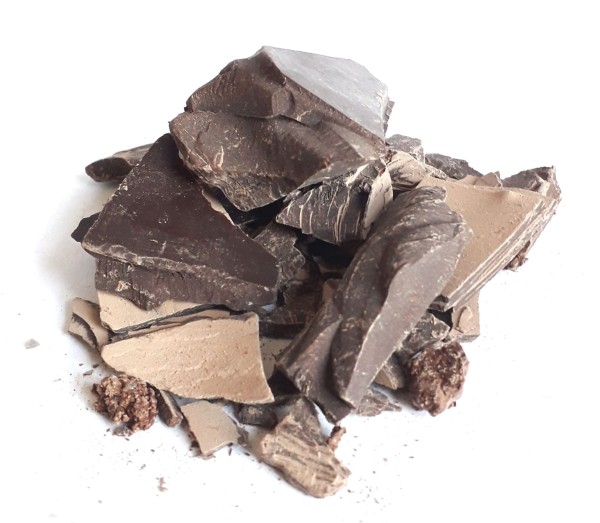
Ceremonial cacao is a pure paste of whole, roasted cacao beans, with no added sugar or milk and no fat removed. It keeps all of its cocoa butter, deep taste and aroma, which is why it makes a thick, velvety drink, completely different from ordinary cocoa powder. At Las Szamana you will find real ceremonial cacao from different parts of the world: from the Dominican Republic, Peru, Ecuador, Colombia, Venezuela and Africa. Each origin has its own character of taste, from fruity to earthy and chocolatey. Below you can read what ceremonial cacao is, how to choose cacao for yourself and how to prepare a ceremony.




What is ceremonial cacao?
Ceremonial cacao is made from whole cacao beans, which are fermented, dried, gently roasted, shelled and ground into a thick paste. Once set, the paste takes the form of a block, a disc or flakes. The most important difference from ordinary cocoa: no fat is pressed out of ceremonial cacao. Ordinary cocoa powder is what remains after the cocoa butter has been pressed out. Ceremonial cacao keeps the whole bean, which is why it has a fuller taste, a creamy texture and a long, chocolatey finish.
The name "ceremonial" refers to the tradition of Mesoamerica. The Maya and the Aztecs prepared a cacao drink for rites, weddings and feasts, and cacao beans even served as currency. Today ceremonial cacao is drunk in circles, during meditation and in daily rituals. We write more about this in the article ceremonial cacao: what it is.
Ceremonial cacao and ordinary cocoa
| Ceremonial cacao | Ordinary cocoa powder | |
|---|---|---|
| Raw material | whole bean ground into paste | powder left after pressing out cocoa butter |
| Cocoa butter | kept in full | mostly removed |
| Form | block, disc, flakes | loose powder |
| Drink | thick, creamy, intense | thinner, lighter |
| Origin | usually one country and one variety | often a blend |
You can read more about the differences in the text ceremonial cacao and ordinary cocoa.
Where does our ceremonial cacao come from?
The cacao tree grows in a belt around the equator, and the taste of the bean depends on the variety, the soil, the climate and the way it is fermented. That is why cacao from different countries tastes different, just like coffee or wine. At Las Szamana we offer a series of cacao by origin:
- Dominicalm™ from the Dominican Republic, our core ceremonial cacao,
- Incaspirit™ from Peru,
- Ecuadream™ from Ecuador, the homeland of the Nacional variety,
- ChocoLumbia™ from Colombia,
- Wenezueland™ from Venezuela, a country famous for the Criollo variety,
- Africalove™ from Ghana, one of the largest cacao-growing regions in the world.
We describe the history of the cacao tree and the countries it comes from in the article ceremonial cacao: origin.
Cacao in history and in the light of research
Archaeologists found the oldest traces of cacao in the world, about 5,300 years old, in south-eastern Ecuador, in the upper Amazon basin (Zarrillo et al., Nature Ecology & Evolution, 2018). The Aztecs paid with cacao beans at markets, and Carl Linnaeus named the cacao tree Theobroma, "food of the gods". The Kuna people of the islands off the coast of Panama still drink several cups of homemade cacao every day, and scientists from Harvard Medical School have been studying their tradition for years. We describe more history and research in the article ceremonial cacao: what it is.
In 2010 the team of Christian Heiss and Yerem Yeghiazarians at the University of California, San Francisco published a study in the Journal of the American College of Cardiology involving 16 people who drank a flavanol-rich cocoa drink twice a day for 30 days. The number of circulating angiogenic cells in the blood, also called early endothelial progenitor cells, that is stem cells from the bone marrow that take part in the renewal of blood vessels, rose 2.2-fold over this time compared with a low-flavanol drink. The scientists also observed that the blood vessels dilated better (Heiss et al., 2010).
Cacao naturally contains theobromine and a small amount of caffeine. If you are pregnant, breastfeeding or take medication regularly, consult a doctor. Keep cacao out of the reach of dogs and cats.
Which ceremonial cacao to choose?
The best start is cacao from the Dominican Republic, our core ceremonial cacao. It shows well how ceremonial cacao differs from ordinary cocoa. Once you know this taste, it is worth reaching for cacao from another country and comparing them side by side. The differences between origins are best felt when you prepare both drinks in the same way.
Pay attention to three things: the country of origin stated plainly, ingredients limited to cacao alone, and a form that suits your way of preparing it. Flakes and a crumbled block dissolve fastest.
How to prepare ceremonial cacao?
Ceremonial cacao is chopped or crumbled into small pieces and dissolved in hot but not boiling water or plant milk, stirring until smooth. It is best done with a whisk, or by frothing the drink so that it is creamy. You can add a pinch of cinnamon, cardamom or chilli, as was done in Mesoamerica. Boiling water burns the delicate aromas, so it is worth waiting a moment after the water has boiled.
The cacao ceremony: how to hold it?
A cacao ceremony is a moment of focus with a cup of the drink in your hands. It can be experienced alone or in a circle. It usually begins with preparing the space, for example smudging it with palo santo, followed by an intention, slow drinking, silence, music or conversation. Calm and attentiveness matter more than form. We describe it step by step in the article the cacao ceremony.
How to store ceremonial cacao?
Keep ceremonial cacao in a sealed package, in a dry, cool and dark place, away from smells, because cocoa butter absorbs them easily. Do not put it in the fridge, because moisture harms cacao pastes. A white bloom on the surface is usually fat bloom after a change in temperature. It does not change the taste and disappears once dissolved.
Frequently asked questions about ceremonial cacao
How does ceremonial cacao differ from ordinary cocoa?
Ceremonial cacao is the whole bean ground into paste, with the cocoa butter kept. Ordinary cocoa is a powder from which most of the fat has been pressed out.
Where to buy real ceremonial cacao?
At the Las Szamana shop you will find ceremonial cacao from several countries, each with its origin stated.
Which ceremonial cacao is best to begin with?
To begin with we recommend cacao from the Dominican Republic. It shows the character of ceremonial cacao well and is a point of reference for comparisons with other countries.
How long can ceremonial cacao be stored?
Tightly closed, in a dry and cool place, it keeps its taste for many months. The date is given on the package.
Does ceremonial cacao contain sugar?
No. Real ceremonial cacao is cacao alone, without sugar, milk or additions. Sweetening is up to you.