Free shipping
Currency
Menu
- WHOLESALE
- SETS
- Rapé® and Accesories
- SANANGA®
- Ambil and ChilcAmbil®
- CEREMONIAL COCOA
- Matcha, tea and herbs
- Mushrooms, supplements, and extracts
- AROMATHERAPY & FOREST INCENSES™
- ORMUS
- COPPER VESSELS
- TENSOR RINGS & BRACELETS
- Stones and jewelry
- CEREMONIAL INSTRUMENTS
- Home and Body
- Books and ebooks
- GIFT VOUCHER
- FOREST TINCTURE™
- MOLECULAR HYDROGEN INHALATOR
- KANNA
- FOREST GROWKBAGS™
- FOREST LOTTERY™
- ORGONITS & MINERALS
- ORGONITS
- TAROT CARDS
- PERFUMES
- New products
- Products on sale
Special offer

€7.76
Regular price:
€10.35

€7.76
Regular price:
€10.35

€7.76
Regular price:
€10.35

€11.53
Regular price:
€16.47

€11.53
Regular price:
€16.47

€12.52
Regular price:
€17.88

€9.88
Regular price:
€14.12

€12.52
Regular price:
€17.88

€7.76
Regular price:
€10.35

€7.76
Regular price:
€10.35

€7.76
Regular price:
€10.35

€7.76
Regular price:
€10.35
Product of the Day

€3.53

€10.82

€18.82
€9.88
Regular price:
€14.12

€0.47
Regular price:
€1.57


€51.76



 New products


€10.35
€10.35
€20.94
€13.88
Newsletter
Browsing options
Availability
Price
-
from
to
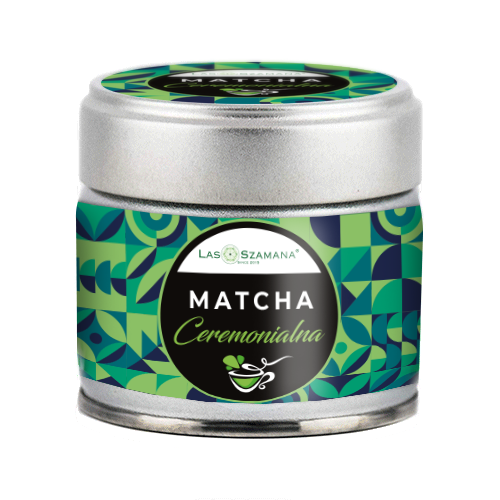
Matcha is powdered green tea, the heart of the Japanese tea ceremony chanoyu. Unlike ordinary tea it is not steeped and strained: the powder, fine as dust, is whisked with water using a bamboo whisk, so we drink the whole leaf. In this category you will find Premium Ceremonial Matcha, Ceremonial Matcha, the ceremonial matcha set and matcha in flavoured variants.
The history of matcha: from the monk Eisai to Sen no Rikyū
The custom of whisking powdered tea was born in China during the Song dynasty. In 1191 the Japanese monk Eisai, founder of the Rinzai school of Zen, brought tea seeds and the way of preparing it from China. In 1211 he wrote the Kissa Yōjōki, the first Japanese book on tea, in which he described it as a drink for a long life. Zen monks drank matcha to keep a clear mind during long meditations.
In the 16th century the tea master Sen no Rikyū gave the ceremony its final shape and based it on four principles: wa (harmony), kei (respect), sei (purity) and jaku (tranquillity). The ceremony also teaches the idea of ichi-go ichi-e: this meeting happens only once in a lifetime, so it is worth living it fully.
How ceremonial matcha is made
About three to four weeks before harvest the tea bushes are covered with mats or nets that block most of the sunlight. In the shade the leaves produce more chlorophyll and L-theanine, which gives them an intense green colour and a full, sweetish umami taste. The best matcha is made from the leaves of the first spring harvest. After picking, the leaves are briefly steamed, dried and stripped of veins and stems. This is tencha, which is ground slowly on granite millstones, up to an hour for 30 grams of powder.
Ceremonial matcha has a vivid emerald colour, a velvety texture and a delicate taste without bitterness. The best known growing regions are Uji near Kyoto, Nishio in Aichi prefecture and Kagoshima.
How to prepare matcha
It is worth sifting the powder through a sieve to avoid lumps, then pouring water at about 80 degrees over it, never boiling water. Whisk with a bamboo chasen in quick M-shaped strokes until an even, fine froth appears on the surface. In Japan two forms of matcha are drunk: usucha, thin and frothy, and koicha, thick as syrup, prepared with more powder. You will find all the accessories you need in the ceremonial set.
What scientific research says about matcha
Matcha differs from ordinary green tea in that we drink the whole ground leaf, not just the infusion. Thanks to shading, the leaves contain more L-theanine, the amino acid responsible for the umami taste. In a randomised placebo-controlled study (Dietz et al., Food Research International, 2017), people who drank matcha achieved better results in tasks requiring attention and memory than after a placebo. Unno and colleagues (Nutrients, 2018) described in a study with students a link between matcha with a high L-theanine to caffeine ratio and lower stress indicators. These are research findings; we describe them as scientific curiosities, not as a promise of effect.
Frequently asked questions about matcha
How is ceremonial matcha different from culinary matcha? Ceremonial matcha is made from the youngest leaves of the first harvest and has a mild, sweetish taste, ideal for drinking with water alone. Culinary matcha is bolder and works well in desserts and lattes.
Where can I read more? In the article ceremonial grade matcha: origin and label and in the flavoured matcha category.
Matcha contains caffeine. If you are pregnant, breastfeeding or take medication regularly, consult a doctor.
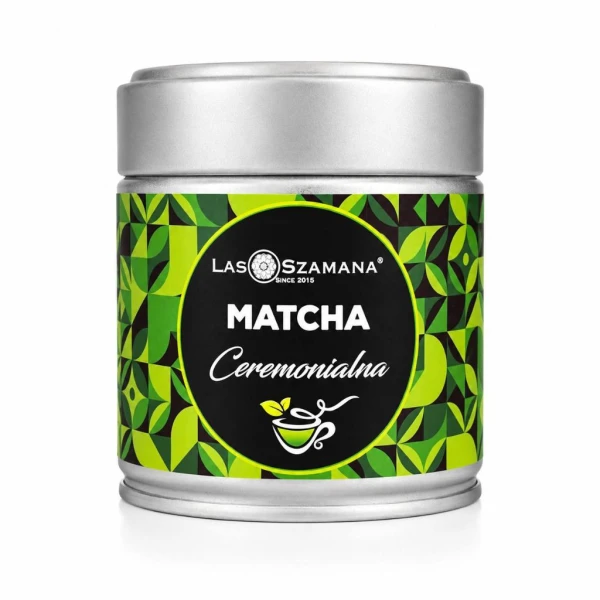 Ceremonial Matcha
€18.82
Regular price:
€25.88
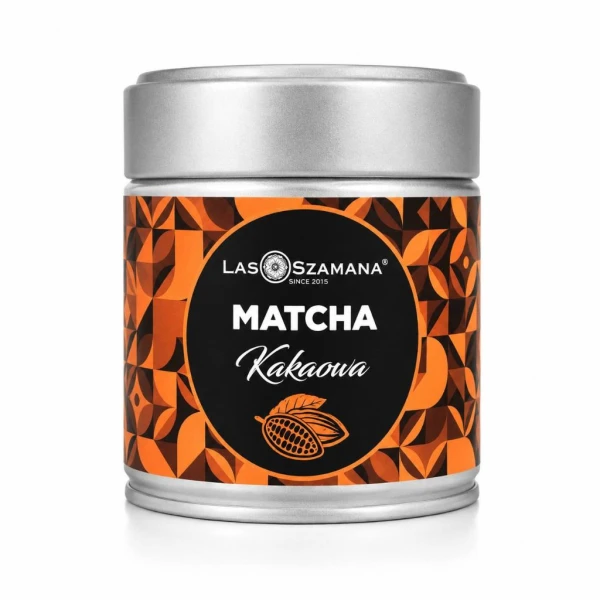 Matcha Cocoa
€16.47
Regular price:
€25.88
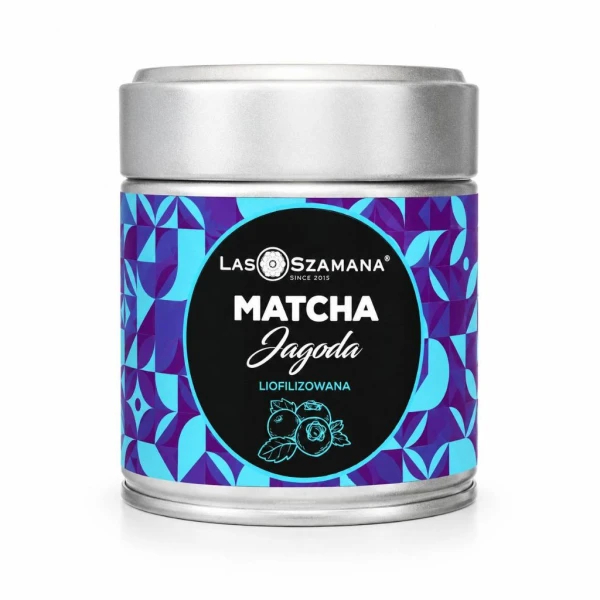 Matcha Freeze-dried Blueberry
€16.47
Regular price:
€25.88
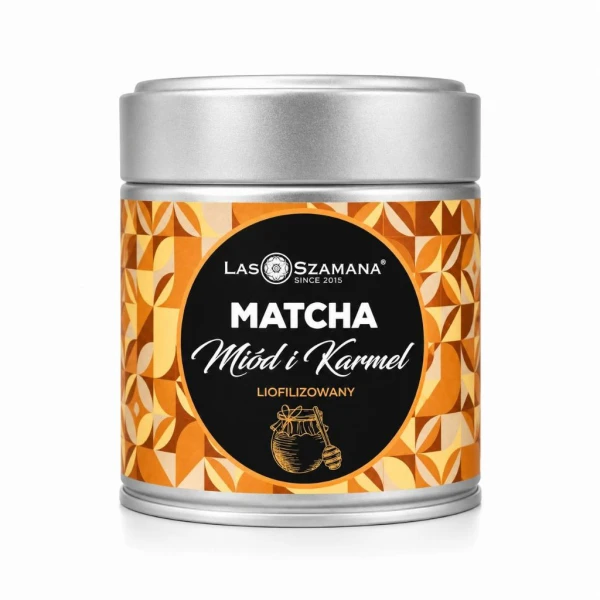 Matcha Freeze-dried Honey & Caramel
€16.47
Regular price:
€25.88
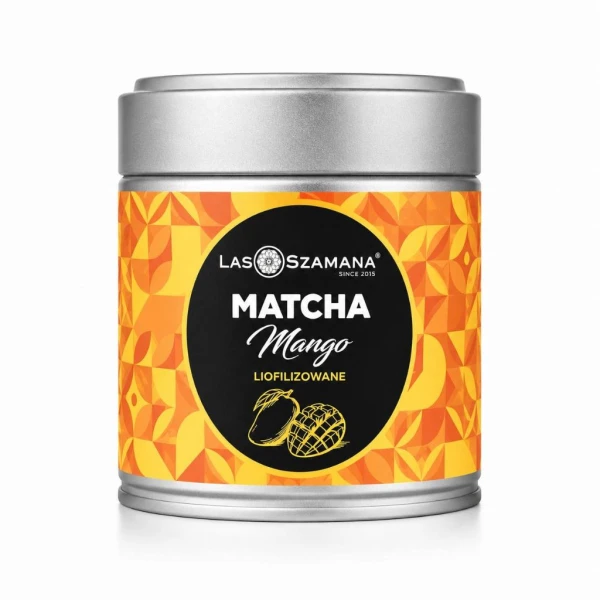 Matcha Freeze-dried Mango
€16.47
Regular price:
€25.88
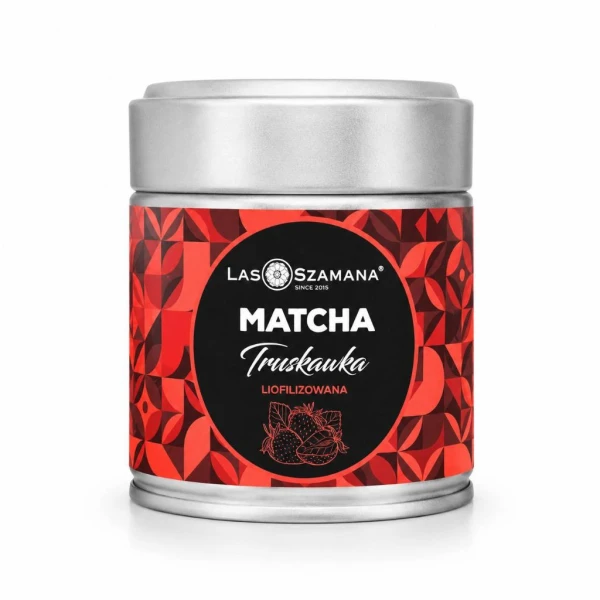 Matcha Freeze-dried Strawberry
€16.47
Regular price:
€25.88
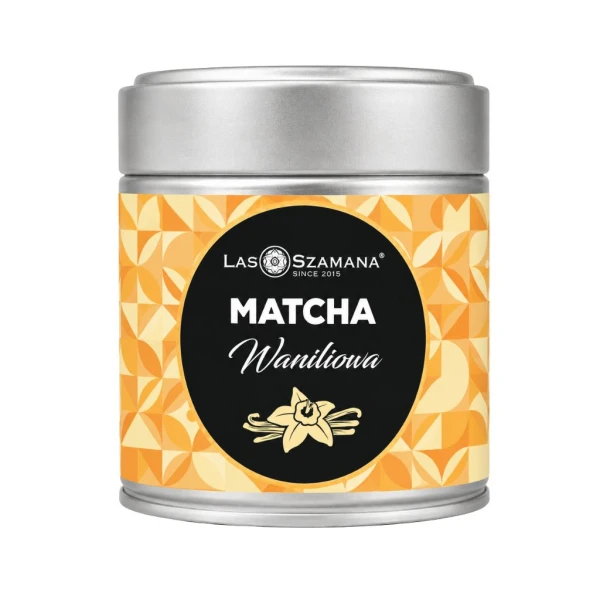 Matcha Vanilla
€16.47
Regular price:
€25.88