


 Free shipping
Currency
Menu
- WHOLESALE
- SETS
- Rapé® and Accesories
- SANANGA®
- Ambil and ChilcAmbil®
- CEREMONIAL COCOA
- Matcha, tea and herbs
- Mushrooms, supplements, and extracts
- AROMATHERAPY & FOREST INCENSES™
- ORMUS
- COPPER VESSELS
- TENSOR RINGS & BRACELETS
- Stones and jewelry
- CEREMONIAL INSTRUMENTS
- Home and Body
- Books and ebooks
- GIFT VOUCHER
- FOREST TINCTURE™
- MOLECULAR HYDROGEN INHALATOR
- KANNA
- FOREST GROWKBAGS™
- FOREST LOTTERY™
- ORGONITS & MINERALS
- ORGONITS
- TAROT CARDS
- PERFUMES
- New products
- Products on sale
Special offer

€11.53
Regular price:
€16.47

€11.53
Regular price:
€16.47

€12.52
Regular price:
€17.88

€9.88
Regular price:
€14.12

€12.52
Regular price:
€17.88

€7.76
Regular price:
€10.35

€7.76
Regular price:
€10.35

€7.76
Regular price:
€10.35

€7.76
Regular price:
€10.35

€7.59
Regular price:
€10.12

€7.76
Regular price:
€10.35

€7.06
Regular price:
€9.41
Product of the Day
€9.88
Regular price:
€14.12

€18.82


€10.82


€51.76

€3.53


€0.47
Regular price:
€1.57
New products

€10.35
€10.35
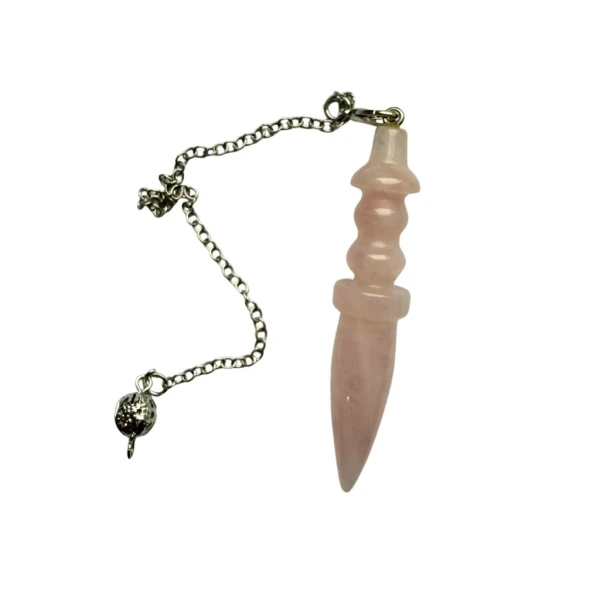
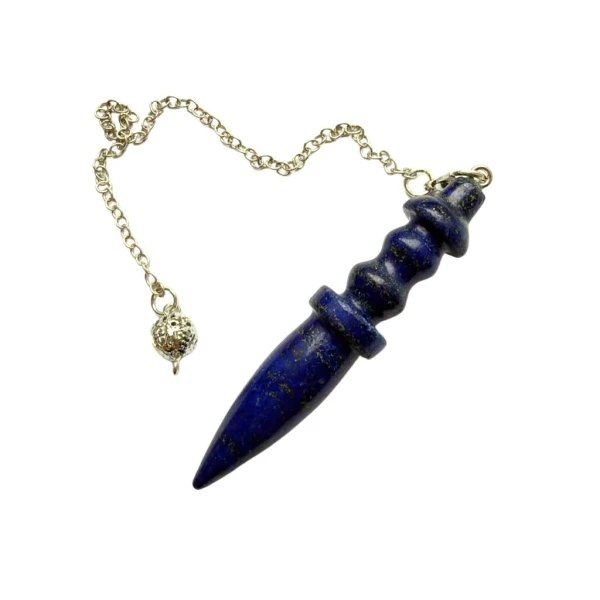

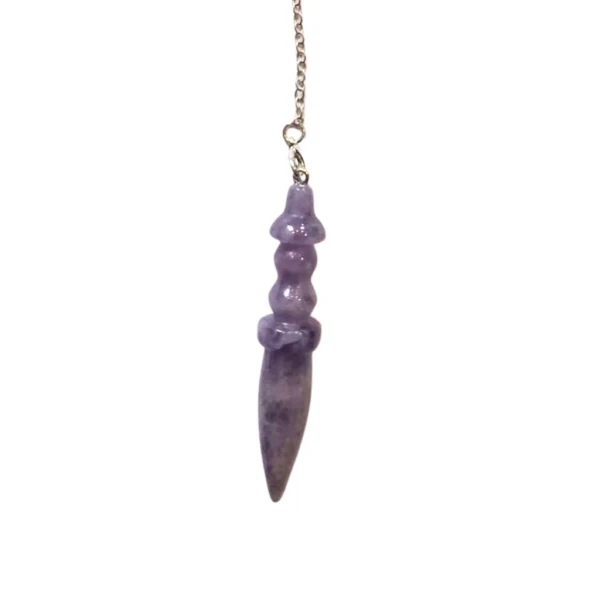
€20.94
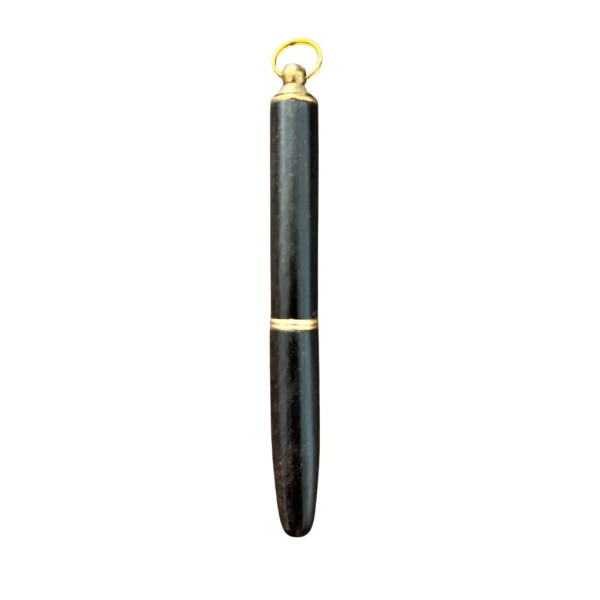
€13.88
Newsletter
Browsing options
Availability
Price
-
from
to
Aromatherapy and incense are among the oldest practices of humanity. Before writing existed, people burned resins, wood and herbs to honour the gods, cleanse space and enter a state of focus. In this category you will find natural incense from different traditions of the world and essential oils.
A short history of incense and oils
In ancient Egypt priests burned incense in the temples three times a day, and in the evening prepared kyphi, a blend of over a dozen resins, spices and honey described by Plutarch. The Incense Route, one of the most important trade routes of antiquity, ran across the Arabian Peninsula from Oman and Yemen to Gaza, and caravans carried myrrh and olibanum along it. In the 10th and 11th centuries the Persian scholar Avicenna refined steam distillation and used it to obtain rose water. The word aromatherapy was introduced in 1937 by the French chemist René-Maurice Gattefossé.
Incense in our range
Palo Santo, the sacred wood from the coasts of Ecuador and Peru, including our FOREST PALO SANTO™ line with intentions such as Archangel Michael, 7 Archangels or Protection of home and animals. White sage from California. Copal, the resin the Maya and Aztecs called the blood of trees. Myrrh, the resin of the Magi. Sangre de Drago, dragon's blood, the dark red resin of the Amazonian tree Croton lechleri. Copaiba oil, the resin of a great Amazonian tree. And Forest Incense™ sticks and Forest Essential Oils™.
How to choose incense
Incense is best chosen to suit the time of day and your intention. In the morning fresh, bright scents work best, such as palo santo, sage or citrus. In the evening deep and warm ones, such as myrrh, copal and sandalwood. Olibanum is perfect for meditation.
What scientific research says
In a study published in Physiology and Behavior (Lehrner et al., 2005), the scent of orange or lavender was diffused in the waiting room of a dental practice. People waiting in the scented room reported less anxiety and a better mood than the control group, where there was no scent. In the study by Nautiyal and colleagues (Journal of Ethnopharmacology, 2007), smoke from a traditional mixture of herbs and wood reduced the number of bacteria in the air of a room by 94%. These are research findings; we describe them as scientific curiosities, not as a promise of effect.
Frequently asked questions
How is incense different from an essential oil? Incense is burned or smoulders and releases smoke, while an essential oil evaporates in a burner or diffuser without smoke.
Where can I read more? In the articles natural incense: resins, herbs and woods with a history and essential oils in everyday rituals.
Ventilate the room while burning incense. Take care if you have asthma, are pregnant, or when small children and animals are present.



 Forest Cones™ - Frankincense, Sandalwood, Orange Blossom
€4.70


 Forest Incense™ – Clove, Vanilla, Vetiver, Patchouli
€4.70


 White Sage Canella - Salvia Blanca con Canela - 10cm
€9.41

 White Sage Rosa - Salvia blanca con pétalos de rosa - 10cm
€10.12
 White Sage Rosemary - Salvia Blanca con Romero - 10cm
€9.41

 ADIOS OWADOS™ – Natural Spray for Mosquitoes and Ticks
€8.00


 Forest Speaker + Diffuser. Sleep Sounds
€28.23
Regular price:
€40.00


