Free shipping
Currency
Menu
- WHOLESALE
- SETS
- Rapé® and Accesories
- SANANGA®
- Ambil and ChilcAmbil®
- CEREMONIAL COCOA
- Matcha, tea and herbs
- Mushrooms, supplements, and extracts
- AROMATHERAPY & FOREST INCENSES™
- ORMUS
- COPPER VESSELS
- TENSOR RINGS & BRACELETS
- Stones and jewelry
- CEREMONIAL INSTRUMENTS
- Home and Body
- Books and ebooks
- GIFT VOUCHER
- FOREST TINCTURE™
- MOLECULAR HYDROGEN INHALATOR
- KANNA
- FOREST GROWKBAGS™
- FOREST LOTTERY™
- ORGONITS & MINERALS
- ORGONITS
- TAROT CARDS
- PERFUMES
- New products
- Products on sale
Special offer

€12.52
Regular price:
€17.88

€9.88
Regular price:
€14.12

€12.52
Regular price:
€17.88

€7.76
Regular price:
€10.35

€7.76
Regular price:
€10.35

€7.76
Regular price:
€10.35

€7.76
Regular price:
€10.35

€11.53
Regular price:
€16.47

€11.53
Regular price:
€16.47

€7.06
Regular price:
€9.41

€7.59
Regular price:
€10.12

€7.76
Regular price:
€10.35
Product of the Day


€51.76

€18.82


€10.82


€0.47
Regular price:
€1.57
€9.88
Regular price:
€14.12

€3.53
 New products


€10.35
€10.35
€20.94
€13.88
Newsletter
Browsing options
Availability
Price
-
from
to
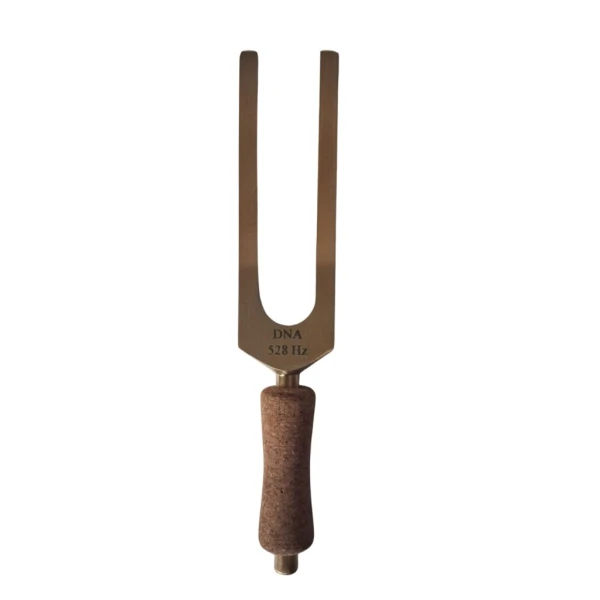
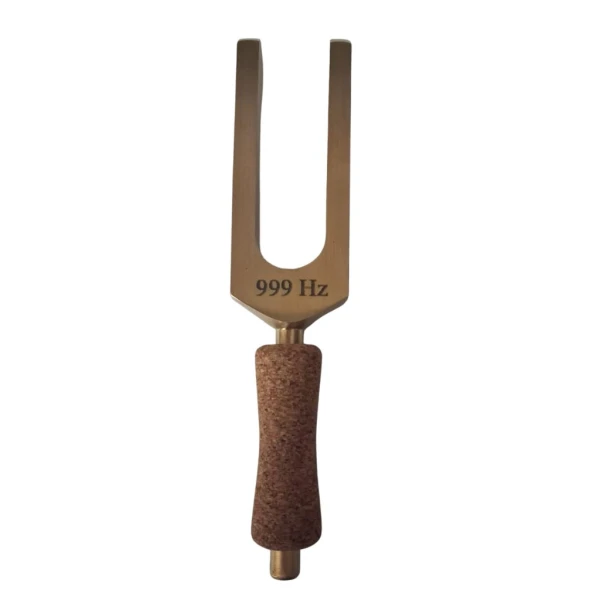
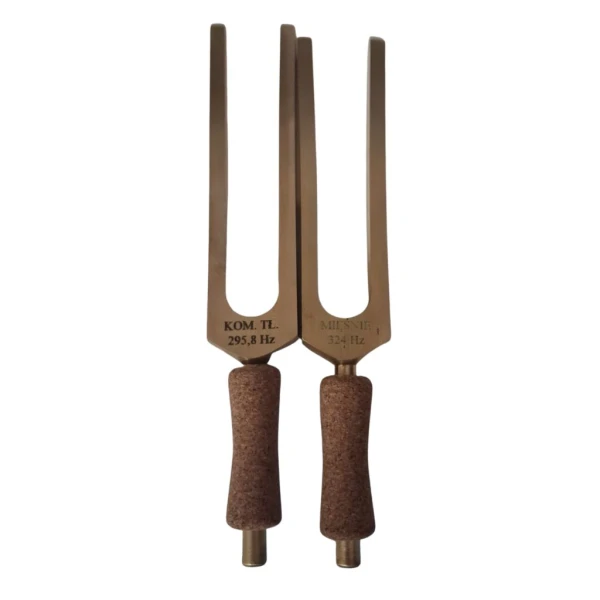
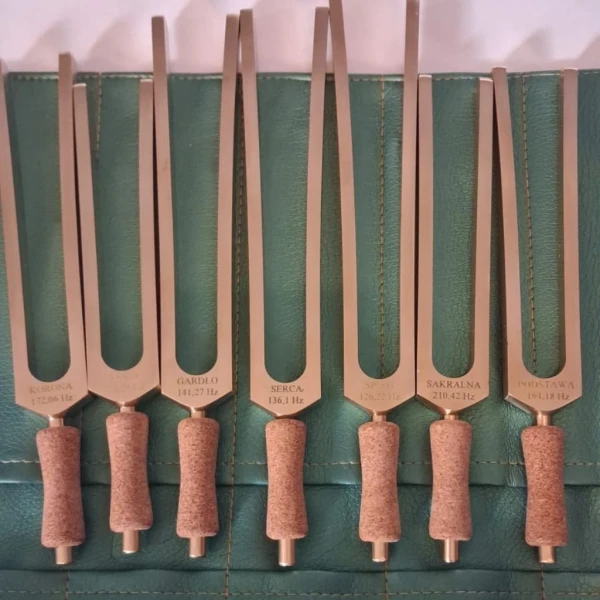
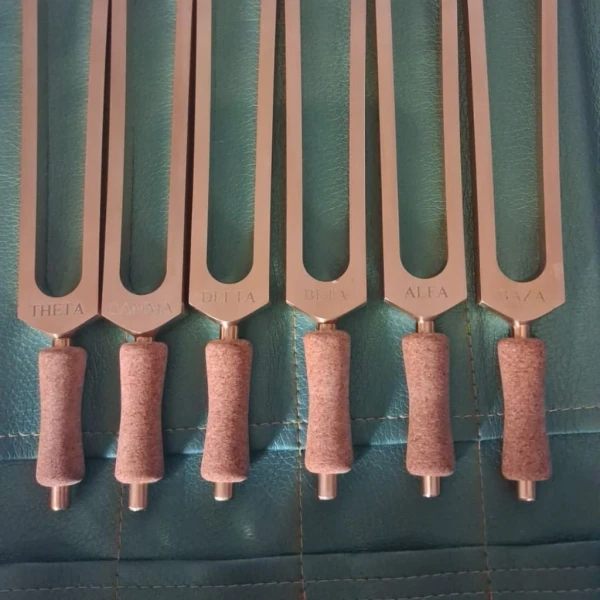
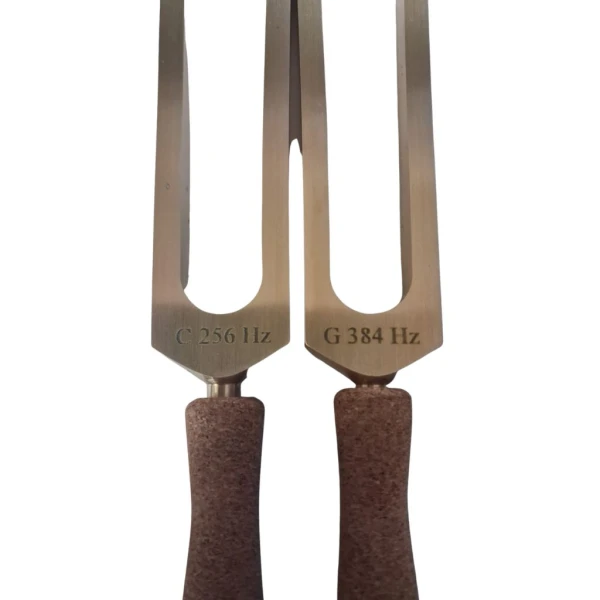
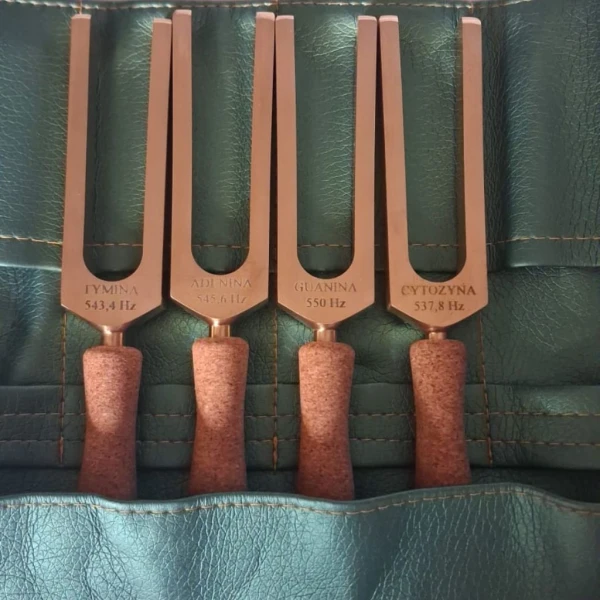
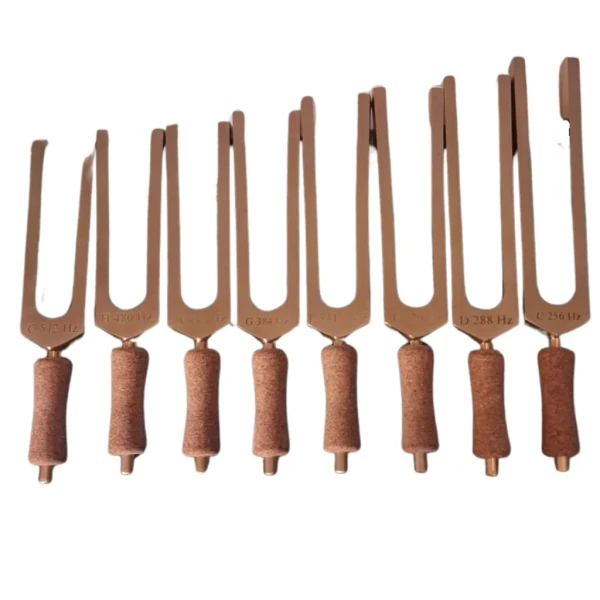
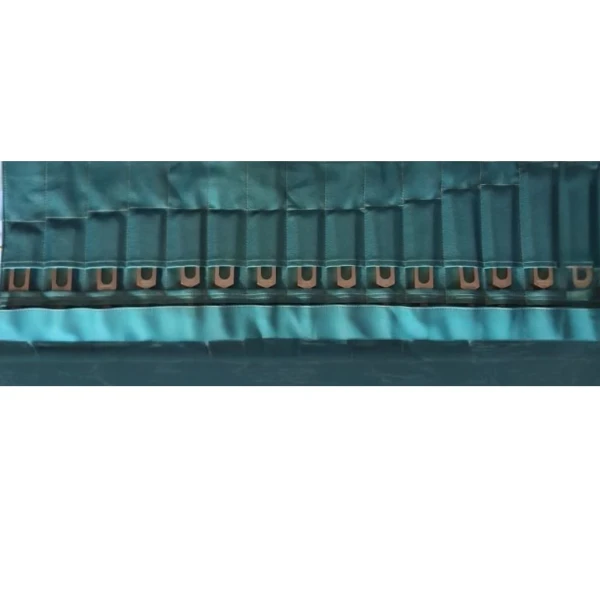
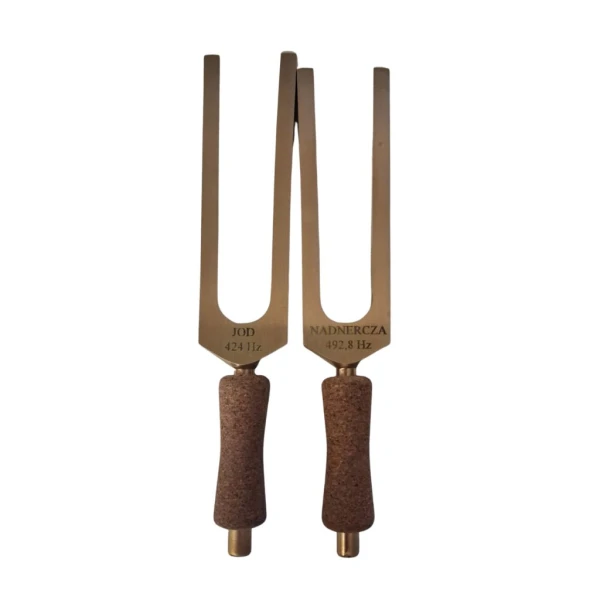
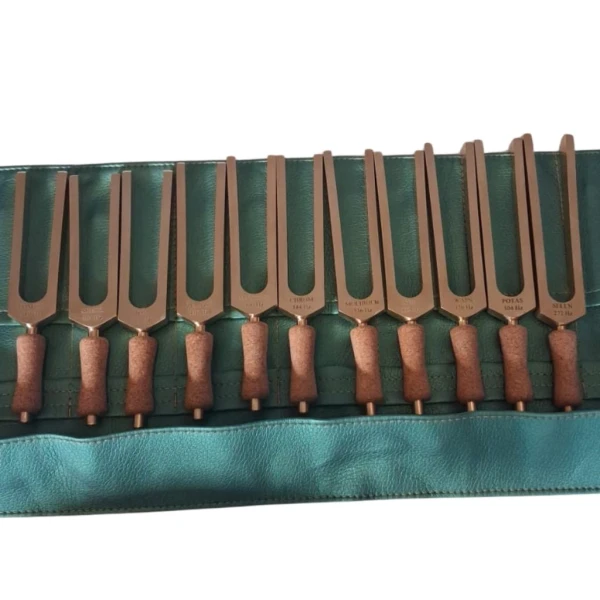
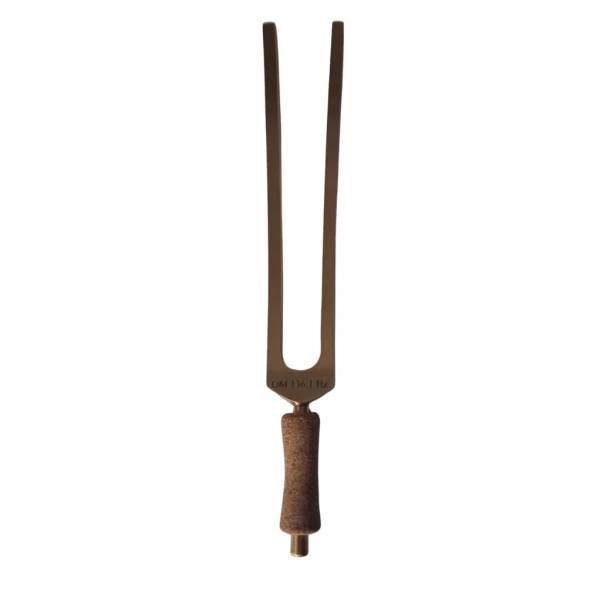
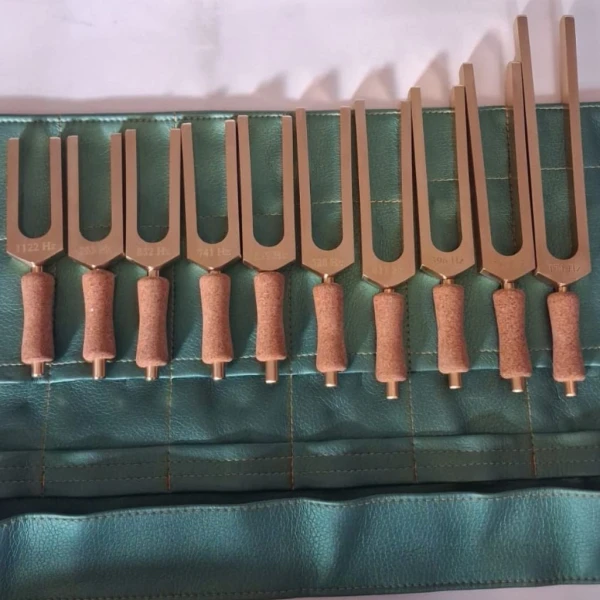
Tuning forks are precisely made brass forks that, when gently struck, produce a single, strictly defined tone. In this category you will find single tuning forks such as the DNA 528 Hz Tuning Fork and the 999 Hz Tuning Fork, pairs of tuning forks such as C 256 Hz and G 384 Hz, and extended sets: Solfeggio, OM, 7 Chakras, Minerals, Bioresonance, Harmonic Spectrum, Human Organs and DNA Nucleotides.
A short history of the tuning fork
The tuning fork was invented in 1711 by the English trumpeter John Shore, who played for George Frideric Handel among others. For centuries it was used to tune instruments, and today, besides music, it is also used in meditation, mindfulness practice and sound work. A tuning fork vibrates so evenly that its tone is pure and almost free of overtones, and the vibration can be felt by touching the stem of the fork to your palm or to a surface.
Where do the frequencies of tuning forks come from?
OM 136.1 Hz is the frequency that the Swiss mathematician and musicologist Hans Cousto derived in the 1980s from the Earth's orbit around the Sun and described in his concept of the "cosmic octave". In the Indian tradition it is called the OM tone. Solfeggio refers to the medieval hymn to St John, from which Guido of Arezzo took the note names ut, re, mi, fa, sol, la in the 11th century. The modern set of Solfeggio frequencies, including 528 Hz, was popularised in the 1990s by Joseph Puleo and Leonard Horowitz. Sets assigned to chakras, organs, minerals or DNA nucleotides are modern systems of people working with sound, based on their observations and intention.
What scientific research says
In 2018 Kenji Akimoto and colleagues described in the journal Health a small study in which they compared listening to music tuned to 528 Hz and to 440 Hz, measuring among other things salivary cortisol levels and the activity of the autonomic nervous system. The study involved only nine people. This is a research finding, which we describe as a scientific curiosity, not a promise of effect. Tuning forks are not a medical device and do not replace a doctor's advice.
How to choose a tuning fork?
To begin with, one tuning fork or a pair works best, for example OM or 528 Hz. Extended sets are for those who want to work with a whole range of frequencies during sessions, circles and workshops. All our tuning forks are made of brass, and for each product we give the full list of frequencies. If you have any questions, write to us.
Tuning forks are for those who want to work with sound in a precise and mindful way: in meditation, breathwork and mindfulness. Also see our crystal bowls and Tibetan bowls.