Free shipping
Currency
Menu
- WHOLESALE
- SETS
- Rapé® and Accesories
- SANANGA®
- Ambil and ChilcAmbil®
- CEREMONIAL COCOA
- Matcha, tea and herbs
- Mushrooms, supplements, and extracts
- AROMATHERAPY & FOREST INCENSES™
- ORMUS
- COPPER VESSELS
- TENSOR RINGS & BRACELETS
- Stones and jewelry
- CEREMONIAL INSTRUMENTS
- Home and Body
- Books and ebooks
- GIFT VOUCHER
- FOREST TINCTURE™
- MOLECULAR HYDROGEN INHALATOR
- KANNA
- FOREST GROWKBAGS™
- FOREST LOTTERY™
- ORGONITS & MINERALS
- ORGONITS
- TAROT CARDS
- PERFUMES
- New products
- Products on sale
Special offer

€11.53
Regular price:
€16.47

€11.53
Regular price:
€16.47

€12.52
Regular price:
€17.88

€9.88
Regular price:
€14.12

€12.52
Regular price:
€17.88

€7.76
Regular price:
€10.35

€7.76
Regular price:
€10.35

€7.76
Regular price:
€10.35

€7.76
Regular price:
€10.35

€7.76
Regular price:
€10.35

€7.76
Regular price:
€10.35

€7.76
Regular price:
€10.35
Product of the Day

€51.76

€0.47
Regular price:
€1.57


€9.88
Regular price:
€14.12


€18.82


€3.53
New products

€10.35
€10.35
€20.94
€13.88
Newsletter
Browsing options
Availability
Price
-
from
to
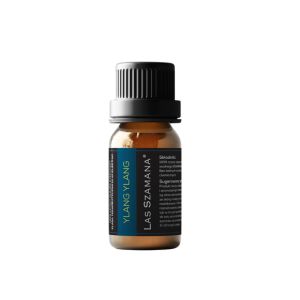
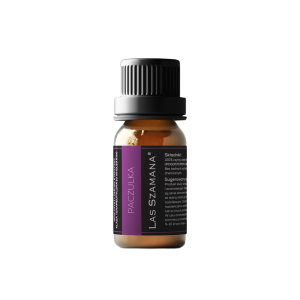
Forest Essential Oils™ are 100% natural essential oils, the volatile, aromatic substances that plants produce in their leaves, flowers, bark, roots and fruit peels. In our range you will find, among others, lavender, mint, eucalyptus, tea tree, rosemary, sage, mugwort, chamomile, rose, jasmine, ylang ylang, geranium, bergamot, lemon, orange, grapefruit, lemongrass, ginger, clove, cinnamon, patchouli, vetiver, sandalwood, olibanum and white tea.
How essential oils are made
Most oils are obtained by steam distillation. Steam passes through a layer of plants, releases the oils from them and condenses together with them in a cooler, and the oil separates from the water because it is lighter. This also produces hydrosol, flower water. Oils from citrus fruits, such as lemon, orange and bergamot, are cold-pressed from the peels. One tonne of rose petals yields only a few hundred grams of oil, which is why rose oil is among the most precious in the world.
Oils in history
Scented oils and ointments were already known to the Egyptians, Greeks and Romans, but the real revolution was distillation, refined in the 10th and 11th centuries by the Persian scholar Avicenna. The medieval monasteries of Europe grew lavender, sage and rosemary and distilled scented waters from them. The word aromatherapy appeared in 1937 thanks to the French chemist René-Maurice Gattefossé, who became interested in lavender oil after an accident in his laboratory.
What scientific research says
In a study by Moss and colleagues (International Journal of Neuroscience, 2003), people who did tests in a room scented with rosemary oil scored better on memory tasks than the group without scent, and in a room with lavender they felt calmer. In the study by Lehrner and colleagues (Physiology and Behavior, 2005), the scent of orange and lavender in a dental waiting room was associated with less anxiety and a better mood among those waiting. These are research findings; we describe them as scientific curiosities, not as a promise of effect.
How to use the oils
The simplest start is an aroma burner or diffuser: a few drops of oil in water are enough to fill a room with scent. Essential oils are highly concentrated, so always dilute them in a carrier oil, such as almond, jojoba or coconut oil, before applying to the skin. For a bath, add the oil mixed with salt or milk, because on its own it does not blend with water. You can read more in the article essential oils in everyday rituals.
Frequently asked questions
How should I store the oils? In dark, tightly closed bottles, in a cool place, away from light and children.
How is an essential oil different from a fragrance oil? An essential oil comes entirely from the plant, while a fragrance oil is usually synthetic.
Essential oils are not intended for consumption. Do a patch test before applying to the skin. If you are pregnant, breastfeeding, have asthma, or when small children and animals are present, consult a doctor or take care.