










Kambo lives in stories. The peoples of the western Amazon, the Katukina, Matsés, Yawanawá and Kaxinawá, pass on legends about where the gift of the green frog came from, who taught people to receive it and why the forest still remembers it. These stories are the key to understanding kambo: it is not a recipe, but a relationship between people, the frog and the spirits of the forest. Below we have gathered the most important of them.
The legend of the shaman Kampu
The best-known story is told by the Katukina. Long ago their people went through a hard time. Hunters came back from the forest empty-handed, the village grew weak and people lost their joy. A pajé named Kampu decided to seek help from the spirits. He entered a deep trance, and then the Mother of the Forest appeared to him. She brought him a green frog and showed him how to receive its gift, so as to regain strength and luck in hunting.
Kampu taught this to his people and the village flourished again. When he passed away, his spirit came to live in the forest, in the frog, which has borne his name ever since. That is why during the rite people sing songs to Kampu and ask for his presence. In this story kambo is a keepsake of the shaman who gave his people the gift of the forest.
Panema: the shadow that kambo lifts
Panema appears in many of the stories. This is what the Amazonian peoples call bad luck, a weight or a "fog" that makes a hunter invisible to fortune. Panema can come from the envy of others, from a broken promise or from breaking the rules of the forest. A hunter touched by panema misses his shot, loses the trail, and game passes him by.
Kambo is the answer to panema. According to the stories, after the rite the hunter becomes light and alert and once again "draws" game to him. The Matsés say that kambo sharpens the senses so that the forest can be heard more clearly, and hunting dogs pick up the trail more easily. It is one of the most beautiful ideas of this tradition: luck is not chance, but a state of harmony with the forest.
The frog that does not lose its life
In the stories of the forest peoples, how the frog is treated matters. Phyllomedusa bicolor does not flee from people; it sits calmly on a branch and calls at night. Hunters find it by its voice, catch it at dawn, gently collect a little of its secretion and release it back onto its tree. It is said that a frog which has once given its gift returns to the same place. For many peoples, harming it would bring panema, not luck.
Kambo in song and in art
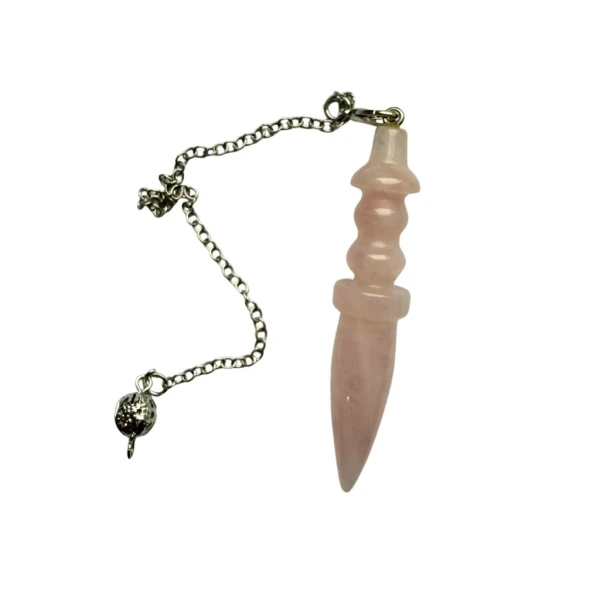
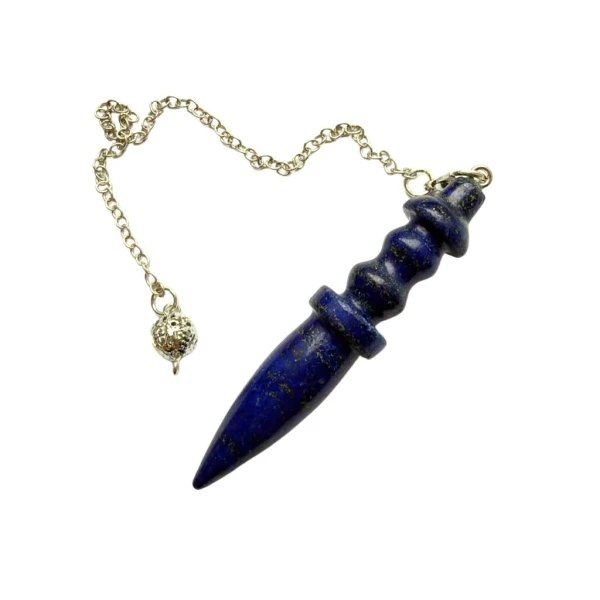
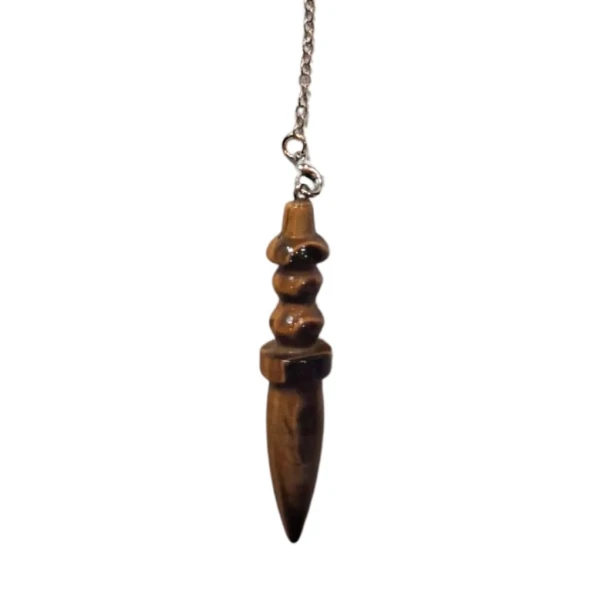
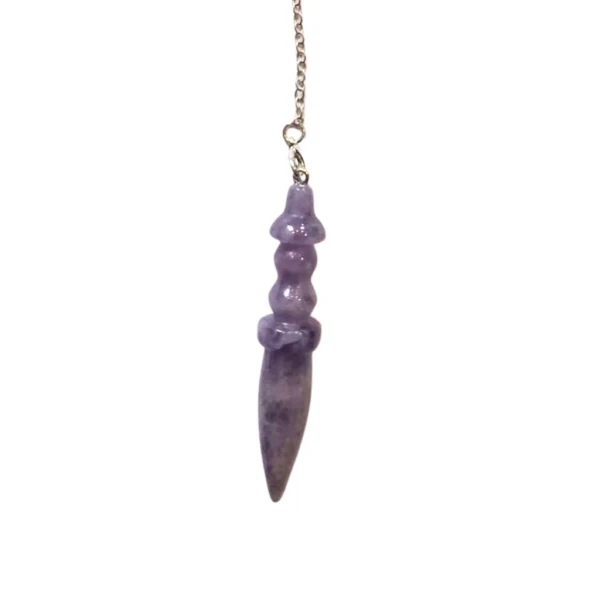
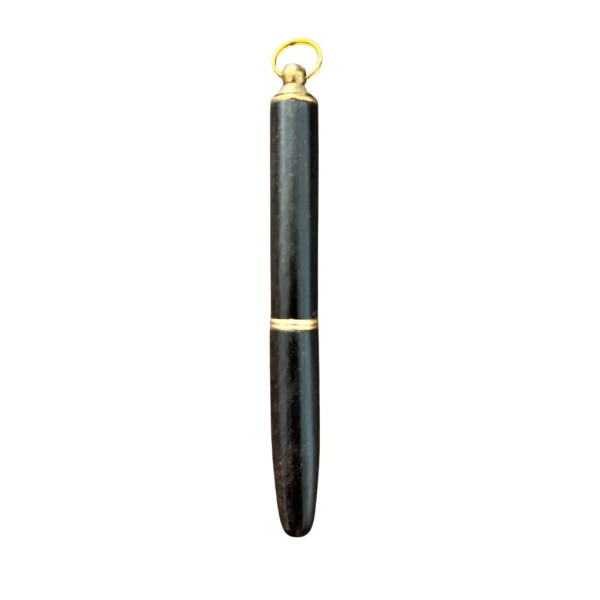
During the rite people sing songs that call the spirit of the frog and thank the forest. The songs differ between peoples, but they share gratitude and a request for strength. The kambo frog also appears in art: in painted patterns, in carving and in everyday objects. Artisans capture its shape in wood, as in our hand-carved kuripes with the kambo frog motif.
How kambo came out of the forest
For centuries kambo was known only to the inhabitants of the Juruá and Javari river basins. In the 20th century it became known to rubber tappers and settlers who lived alongside the forest peoples, and in the 1990s stories about "the frog's vaccine" reached Europe and the Americas. The American journalist Peter Gorman described his encounter with the Matsés and their rite, and Brazilian anthropologists studied how kambo moved from the village to the cities. Today its tradition is carried on both by the Amazonian peoples and by practitioners who learned from them.
Kambo at Las Szamana
In our shop you will find Kambo Matsés, the secretion dried on a wooden stick, with a stated origin. We sell it only to practitioners who work with kambo in the traditional way. Kambo is neither a medicine nor a supplement. You can read more about kambo itself, its origin and its rite in our article kambo: the frog that teaches hunters.
We prefer to tell the story of kambo faithfully, with respect for the peoples it comes from, rather than reduce it to a single "session".
Kambo is received only under the guidance of an experienced practitioner. If you are pregnant or breastfeeding, or take medication regularly, consult a doctor beforehand.
Frequently asked questions about kambo legends
Who was Kampu?
A shaman from the legend of the Katukina people, to whom the Mother of the Forest showed the gift of the green frog. After his death the spirit of Kampu came to live in the frog, which is why he is called upon in songs during the rite.
What is panema?
Bad luck or a weight which, according to the Amazonian peoples, takes the hunter's fortune away. In the stories kambo lifts this panema.
Why is kambo called the frog's vaccine?
In Brazil the name "vacina do sapo" is used. It is a folk term that reflects the belief that kambo protects against panema and restores strength.
Which peoples know kambo?
Above all the Katukina, Matsés, Yawanawá, Kaxinawá (Huni Kuin) and Kanamari of the western Amazon.
Sources
- Lima, E. C. de, Labate, B. C. (2007). "Remédio da ciência" e "remédio da alma": os usos da secreção do kambô (Phyllomedusa bicolor) nas cidades. Ponto Urbe, 1.
- Gorman, P. (1993). Making Magic. Omni, 15(9).
- Romanoff, S. A. (1984). Matses Adaptations in the Peruvian Amazon. Columbia University (doctoral dissertation).
- Erspamer, V. et al. (1993). Pharmacological studies of "sapo" from the frog Phyllomedusa bicolor skin: a drug used by the Peruvian Matses Indians in shamanic hunting practices. Toxicon, 31(9), 1099-1111.
- Erspamer, V. et al. (1989). Deltorphins: a family of naturally occurring peptides with high affinity and selectivity for delta opioid binding sites. Proceedings of the National Academy of Sciences, 86(13), 5188-5192.