


 Free shipping
Languages
Currency
Menu
- SALE
- SETS
- Rapé® and Accesories
- SANANGA®
- Ambil and ChilcAmbil®
- CEREMONIAL COCOA
- Matcha, tea and herbs
- Mushrooms, supplements, and extracts
- AROMATHERAPY & FOREST INCENSES™
- ORMUS
- COPPER VESSELS
- TENSOR RINGS & BRACELETS
- Stones and jewelry
- CEREMONIAL INSTRUMENTS
- Home and Body
- Books and ebooks
- GIFT VOUCHER
- FOREST TINCTURE™
- ORGONITS
- New products
- Products on sale
Special offer

€11.53
Regular price:
€16.47

€11.53
Regular price:
€16.47

€12.52
Regular price:
€17.88

€9.88
Regular price:
€14.12

€12.52
Regular price:
€17.88

€7.76
Regular price:
€10.35

€7.76
Regular price:
€10.35

€7.76
Regular price:
€10.35

€7.76
Regular price:
€10.35

€35.29
Regular price:
€58.82

€7.76
Regular price:
€10.35

€7.76
Regular price:
€10.35
Product of the Day


€4.06

€0.47
Regular price:
€1.57

€51.76

€9.88
Regular price:
€14.12


€18.82


€10.82
 New products
€42.12
€42.12
€42.12
€42.12
€101.41
 Newsletter
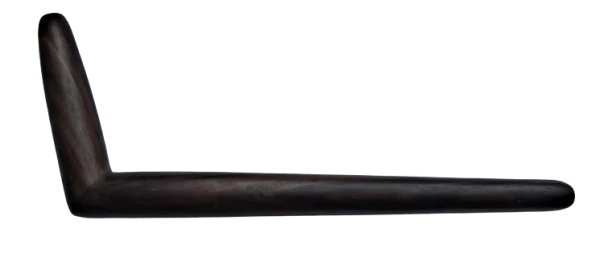
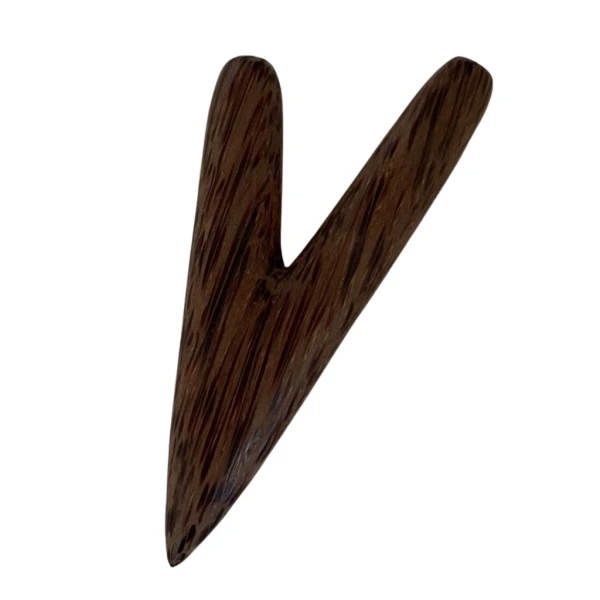
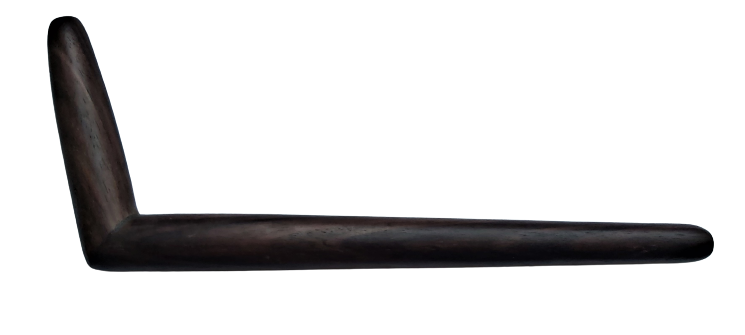
Dark Sono Wood Tepi (Dalbergia latifolia)
 0
 "Pin It")
Description
Dark Sono Wood Tepi (Dalbergia latifolia)
A handmade tepi of dark sono wood, 17 to 19 cm long. Sono, also called sonokeling, is the common Asian name for Indian rosewood. Botanically it is Dalbergia latifolia.
The tree comes from tropical monsoon forests at low altitudes in south-east India. In English it is known as rosewood, Bombay blackwood, East Indian rosewood or Java rosewood, and in India as beete or satisal. It grows up to 40 metres tall with a dense, domed crown and is evergreen, though in drier places it sheds its leaves locally, which makes it very drought tolerant.
Not every species of the genus Dalbergia produces rosewood. True rosewood comes from only about a dozen species, and Dalbergia latifolia is one of the most valued. The wood is heavy, hard and dense, with a beautiful dark figure in shades of chocolate, purple and black that takes on a deep shine when polished.
This piece was made from an especially dark section of wood, which makes it look both noble and raw. Every tepi is different, because the figure of the wood never repeats.
Indian rosewood has been valued for centuries in furniture making, instrument making and carving precisely for its hardness, stability and deep colour. It works well, and a smoothly sanded surface feels pleasantly cool and velvety to the touch. Over time the wood may darken slightly and develop a noble patina, which only adds to its character.
A length of 17 to 19 cm makes the tepi easy to handle, it fits comfortably in an accessory pouch and sits well in the hand. The weight of the dense wood gives a feeling of solidity that lighter materials lack.
If you already have a tepi of light wood, dark sono makes an interesting contrast. Many people keep several tepi made of different woods and choose one depending on the ceremony, their mood and the person they sit with in the circle. Dark wood also pairs beautifully with pouches in earthy colours.
Tepi in Rapé ceremonies
A tepi is a traditional ceremonial accessory used in Rapé ceremonies, where one person serves another. It is an object of trust and connection, which is why it is worth choosing one that is beautiful and well made.
Handmade
Every piece is made by hand, so it may differ slightly from the photos in shade, pattern or small details. That is a natural feature of handcraft, not a flaw.
Care
Keep it in a dry place, ideally in a pouch or case. Clean it with a soft, dry cloth or a kuripe and tepi cleaning brush. Do not soak it in water and protect it from falls onto hard floors.
Who is it for?
This tepi is for those who appreciate dark, noble wood.