


 Free shipping
Languages
Currency
Menu
- WHOLESALE
- SETS
- Rapé® and Accesories
- SANANGA®
- Ambil and ChilcAmbil®
- CEREMONIAL COCOA
- Matcha, tea and herbs
- Mushrooms, supplements, and extracts
- AROMATHERAPY & FOREST INCENSES™
- ORMUS
- COPPER VESSELS
- TENSOR RINGS & BRACELETS
- Stones and jewelry
- CEREMONIAL INSTRUMENTS
- Home and Body
- Books and ebooks
- GIFT VOUCHER
- FOREST TINCTURE™
- MOLECULAR HYDROGEN INHALATOR
- KANNA
- FOREST GROWKBAGS™
- FOREST LOTTERY™
- ORGONITS & MINERALS
- ORGONITS
- TAROT CARDS
- PERFUMES
- New products
- Products on sale
Special offer

€11.53
Regular price:
€16.47

€12.52
Regular price:
€17.88

€9.88
Regular price:
€14.12

€12.52
Regular price:
€17.88

€7.76
Regular price:
€10.35

€7.76
Regular price:
€10.35

€7.76
Regular price:
€10.35

€7.76
Regular price:
€10.35

€11.53
Regular price:
€16.47

€7.76
Regular price:
€10.35

€7.06
Regular price:
€9.41

€7.59
Regular price:
€10.12
Product of the Day
€9.88
Regular price:
€14.12




€3.53

€51.76

€0.47
Regular price:
€1.57

€10.82


€18.82
New products


€10.35

€10.35
€20.94
€13.88
Newsletter
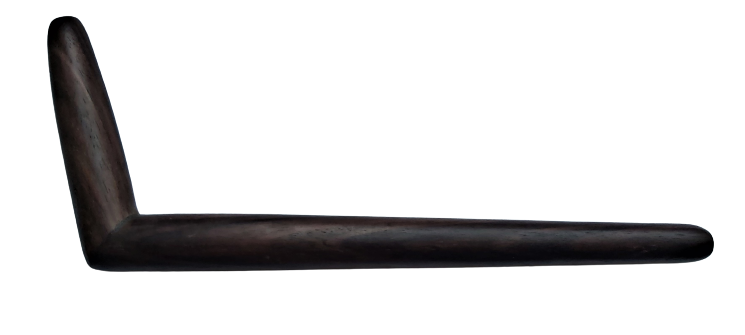
Tepi Made of Indian Rosewood (Dalbergia latifolia)
 5
 "Pin It")
Description
Tepi Made of Indian Rosewood
Dalbergia latifolia
This is a handmade tepi, a traditional V-less straight applicator known from Amazonian rapé ceremonies, crafted from Indian rosewood. The wood, called Sono or Sonokeling in Asia, is dense, durable and naturally dark, which makes it an unusual material for a ceremonial tepi.
Length: 17-19 cm
Handmade product, so each piece differs slightly in grain and shade.

What Is Sono Wood?
Sono, or Sonokeling, is the common Asian name for Indian rosewood, botanically Dalbergia latifolia. The tree grows in tropical monsoon forests at low altitudes in south-east India. In English it is also known as rosewood, Bombay blackwood, East Indian rosewood and Java rosewood, while in India it is called beete or satisal.
The tree reaches up to 40 metres in height and forms a dense, dome-shaped crown. It is evergreen, although in drier populations it may shed its leaves locally, which makes it very drought tolerant. Only about a dozen species in the large genus Dalbergia yield true rosewood.
Origin of the Name
The genus Dalbergia honours the Swedish brothers Nils and Carl Gustaf Dalberg: the first was a physician and botanist, the second explored the West Indies. The epithet latifolia comes from Latin and means "broad-leaved".
A Protected, Highly Valued Timber
Rosewood is one of the most widely traded wild plant products in the world. To protect it, CITES (the Convention on International Trade in Endangered Species of Wild Fauna and Flora) has placed rosewood species, including the genus Dalbergia, under international trade controls. Further listings at the CITES meetings of 2013, 2016 and 2019 increased its rarity, and demand for this premium timber remains high worldwide.
Durability and Character of the Wood
Indian rosewood grows extremely slowly, usually with a long, straight trunk. The wood is hard, heavy and durable, resists insects well and, when properly dried, shows strong resistance to fungi. During working it releases a sweet scent that may linger for some time. Some pieces may carry an unusual aroma, which comes from a fragrance spray and not from the quality of the wood.
The natural colour ranges from golden brown to deep purplish brown, with darker, almost black streaks, and the wood deepens to a rich brown with age. It is prized for fine furniture, guitar bodies and fretboards, veneers, carvings, luxury parquet, boats and skis. Its density, strength and suitability for long, straight bores make it a fitting material for a tepi.