Free shipping
Languages
Currency
Menu
- WHOLESALE
- SETS
- Rapé® and Accesories
- SANANGA®
- Ambil and ChilcAmbil®
- CEREMONIAL COCOA
- Matcha, tea and herbs
- Mushrooms, supplements, and extracts
- AROMATHERAPY & FOREST INCENSES™
- ORMUS
- COPPER VESSELS
- TENSOR RINGS & BRACELETS
- Stones and jewelry
- CEREMONIAL INSTRUMENTS
- Home and Body
- Books and ebooks
- GIFT VOUCHER
- FOREST TINCTURE™
- MOLECULAR HYDROGEN INHALATOR
- KANNA
- FOREST GROWKBAGS™
- FOREST LOTTERY™
- ORGONITS & MINERALS
- ORGONITS
- TAROT CARDS
- PERFUMES
- New products
- Products on sale
Special offer

€11.53
Regular price:
€16.47

€11.53
Regular price:
€16.47

€12.52
Regular price:
€17.88

€9.88
Regular price:
€14.12

€12.52
Regular price:
€17.88

€7.76
Regular price:
€10.35

€7.76
Regular price:
€10.35

€7.76
Regular price:
€10.35

€7.76
Regular price:
€10.35

€7.76
Regular price:
€10.35

€7.76
Regular price:
€10.35

€7.76
Regular price:
€10.35
Product of the Day

€18.82


€3.53


€9.88
Regular price:
€14.12

€10.82


€0.47
Regular price:
€1.57
New products


€10.35

€10.35
€20.94
€13.88
Newsletter
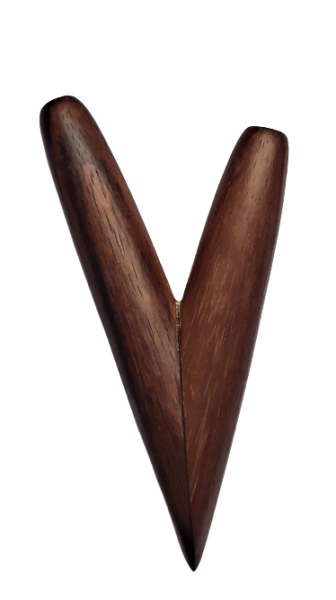
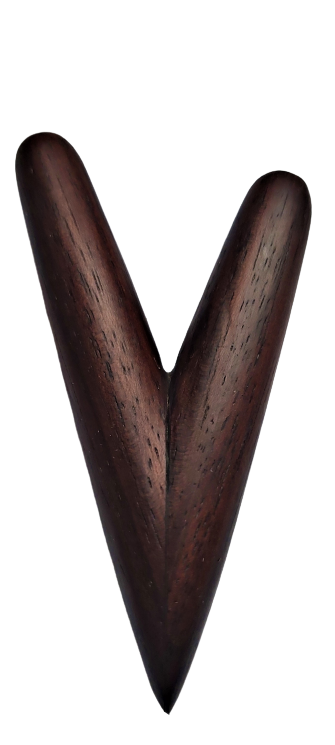
Kuripe Made of Dark Indian Rosewood (Dalbergia latifolia)
 5
 "Pin It")
Description
Kuripe Made of Dark Indian Rosewood
Dalbergia latifolia
This is a handmade kuripe, a small V-shaped self-applicator known from the traditional rapé culture of the Amazon, made from dark Indian rosewood. Size: M.

About Sono Wood
Sono, also called Sonokeling, is widely known in Asia as Indian rosewood. Its botanical name is Dalbergia latifolia. The tree is native to the tropical monsoon forests of India, growing at low altitudes, and it is also cultivated in Java.
In the timber trade it goes by many names: rosewood, Bombay blackwood, East Indian rosewood and Java rosewood among them. In India it is commonly called beete or satisal.
The tree can reach around 40 metres, with a dense, dome-shaped crown. It is evergreen, though in drier areas it may shed its leaves seasonally, which makes it notably drought tolerant. Only about a dozen species in the large genus Dalbergia yield true rosewood. The genus honours the Swedish brothers Nils and Carl Gustaf Dalberg, and the epithet latifolia simply means broad-leaved.
A Protected Timber
Rosewood is among the most traded wild timbers in the world. In 2016, at the CITES conference held in Johannesburg, South Africa, the whole genus Dalbergia, roughly 300 species, was placed under international trade controls. Strong global demand keeps this premium wood both sought after and valuable.
Character and Durability
Indian rosewood grows very slowly and usually forms a long, straight trunk. The wood is hard, heavy and durable, resists insects well and, when properly dried, is highly resistant to fungal decay. Freshly worked, it releases a gentle sweet scent that may linger for a while.
Its natural colour ranges from golden brown to a dark purplish brown, streaked with deeper, almost black lines, and it darkens with age into a rich, deep brown. The same qualities make it a choice material for fine furniture, guitar bodies and fingerboards, veneers, carvings and luxury flooring.
Why Rosewood Suits a Kuripe
High density and a fine, even structure allow long, clean, straight channels to be drilled through the wood, while its strength keeps the piece stable over years of handling. The result is an applicator that is both functional and elegant, with a dark, distinctive grain that makes every piece slightly different.
OTHER CLIENTS ALSO CHOOSE