



















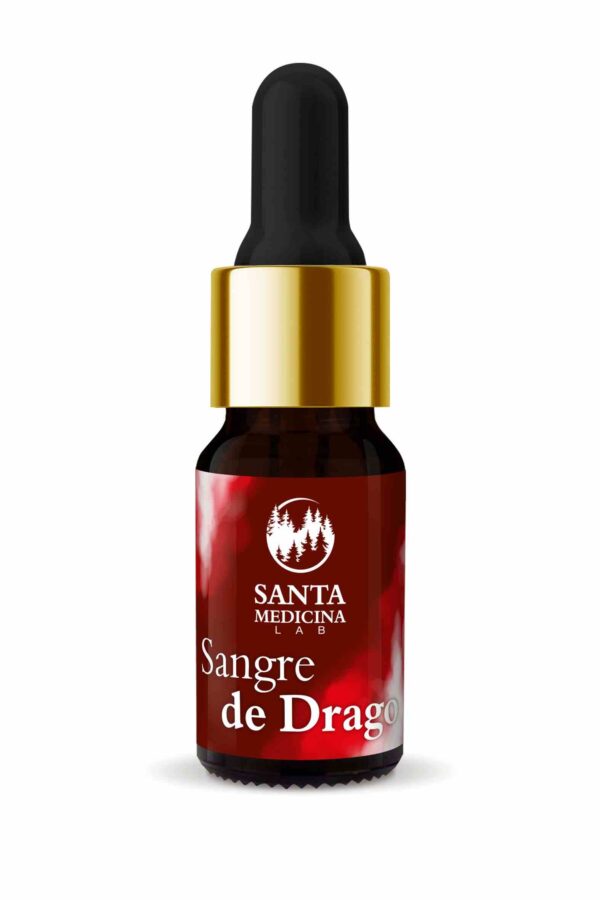
What is Sangre de Drago?
There is a certain plant species commonly known as dragon's blood, which refers not only to a specific type of flora but mainly to the natural resin it produces.
Traditionally, this plant product was used to accelerate the wound healing process, and currently, it is regaining popularity, especially in the West, due to its potential medical properties and accompanying risks, which you can read more about in our article.
Is the name dragon's blood in any way related to dragons?
There are at least three distinct forms of this name, which have evolved within different variants of the Spanish language in South America. In Ecuador, it is known as sangre de drago, in Peru – sangre de grado, and in Bolivia – sangre de grada.
The source of dragon's blood are plants from the genera Croton, Dracaena, Daemonorops, Calamus rotang, and Pterocarpus. In ancient times, it was believed that their natural resin was actually the blood of mythical creatures. This plant material was known in the cultures of ancient Rome, China, and among the indigenous peoples of the Amazon. The Judeo-Christian world became acquainted with dragon's blood in the 15th century when sailors discovered it on the Canary Islands, obtaining it from the Dracaena draco plant and selling it as dried drops of a deep red-crimson color.
The majority of plants producing dragon's blood grow in South America, where there are as many as seven species from the Croton family, spread in Brazil, Peru, and Ecuador, among others.
The most well-known is Croton lechleri, commonly referred to as dragon's blood.
Out of respect for the beliefs of the indigenous people of South America, we will not discuss the possible existence of dragons in the past or the origin of dragon's blood as a resin.
Sangre de Drago – Application and Potential Medical Benefits
Instead, we will focus on the properties of dragon's blood, which, thanks to its bioactive components, offers health benefits, including antioxidant and anti-inflammatory effects.
Dragon's blood has long been valued for its properties that support wound healing. Applying this plant sap to various types of cuts, burns, or abrasions can accelerate skin regeneration, reduce inflammation, and act anti-aging.
Additionally, dragon's blood is used for wound disinfection due to its natural antibacterial properties, and also in the treatment of diarrhea, where it plays a role in regulating water excretion by the intestines.
Preliminary studies also suggest the potential anticancer activity of dragon's blood, through inducing apoptosis, which can lead to tumor size reduction.
Historically, dragon's blood was used not only by the indigenous peoples of South America but also by ancient Romans as a dye and medical agent.
Today, it is applied in alternative medicine and neopagan rituals, although more thorough research is still needed to confirm all of its potential health benefits.